Advanced Pokemon Card Authentication: Identifying High-Quality Counterfeits
Navigating the secondary market can be intimidating for both new and veteran collectors concerned about fake products. While basic fakes are easy to spot, modern counterfeiters are increasingly mimicking premium finishes and texturing to deceive unsuspecting buyers. Understanding the nuances of card construction is your best defense against bad actors.
The Anatomy of Genuine Pokemon Cards
Paper Stock and Layering
Authentic Pokemon cards consist of a complex multi-layered card stock that includes a black carbon layer sandwiched between two paper sheets. Counterfeiters often use cheap, single-ply cardboard that lacks this structural integrity and distinct weight. If you hold a card up to a bright light and see significant light bleed, it is likely a poor-quality reprint.
The Importance of Surface Texture
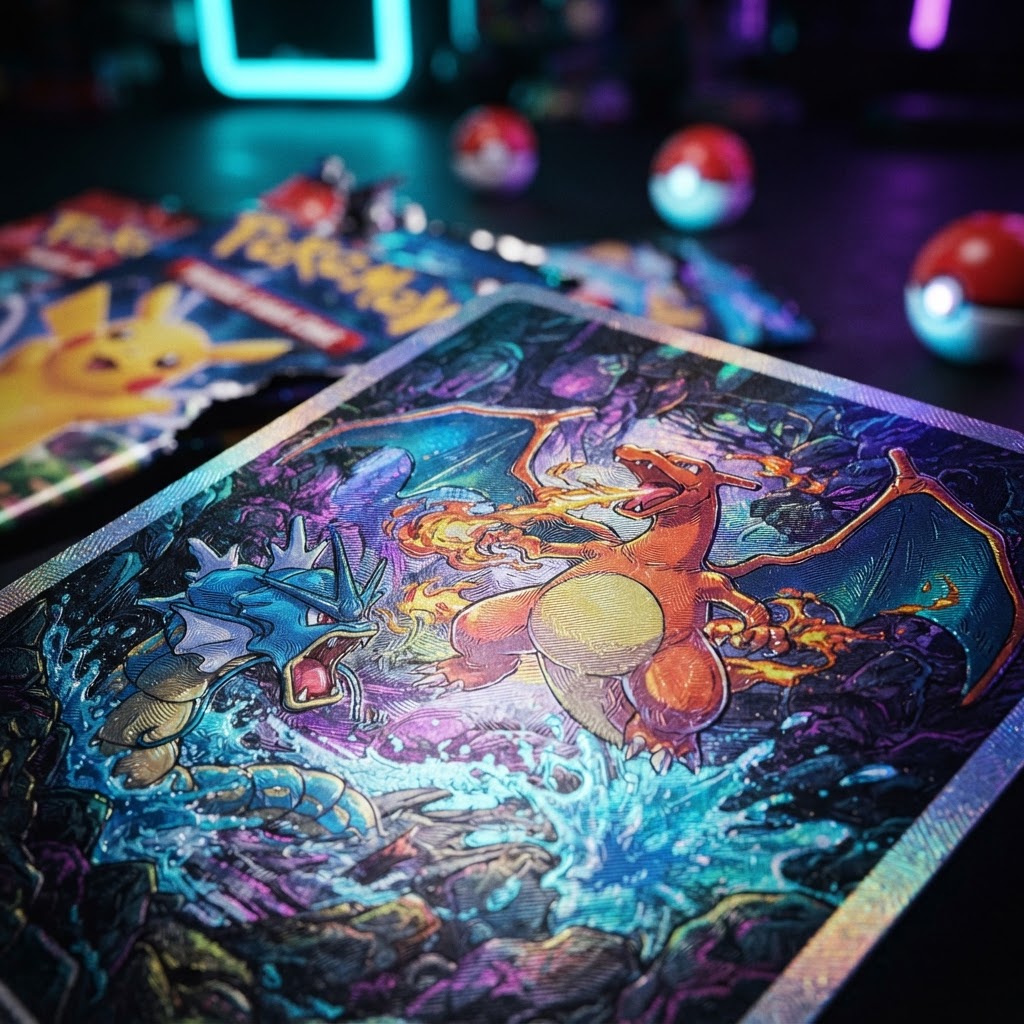
Modern ultra-rare cards, such as Full Arts and Secret Rares, almost always feature a specific, fine-etched fingerprint-like texture across the surface. Fake cards often skip this step, resulting in a completely flat, glossy finish that feels like plastic. Always compare the light reflection on a suspected card against a confirmed authentic version from your own collection.
Identifying Common Printing Tells
Analyzing Dot Matrix Patterns
Under a jeweler's loupe, authentic Pokemon cards reveal a refined, consistent ink pattern using CMYK color processes. Counterfeiters often rely on lower-resolution digital printers that leave behind noticeable circular pixel patterns or blurred text. If the card edges appear fuzzy or the font lacks crisp, sharp lines, exercise extreme caution.
The Holographic Foil Test
Genuine holographic patterns are typically integrated into the card during the manufacturing process. Many fakes feature a dull, vertical or diagonal sheen that sits on top of the card art rather than behind it. This artificial sheen usually fails to capture the multi-dimensional light refraction seen in official releases.
| Feature | Genuine Card | Counterfeit Card | | :--- | :--- | :--- | | Surface | Etched/Textured | Smooth/Glossy | | Back Color | Rich Blue/Purple | Faded/Light Blue | | Edge Finish | Clean/Sharp | Jagged/Frayed | | Light Test | Opaque/Dark | Significant Bleed |
Comparing Card Backs and Color Accuracy
The Subtle Art of the Card Back
The back of a Pokemon card is notoriously difficult to replicate due to the complex swirl of blues and purples. Counterfeits frequently display a muddy or washed-out appearance, lacking the distinct color separation of the real deal. Use this as your first line of defense before inspecting the front of the card.
Ink Saturation and Bleed
Professional printers utilize high-pressure, high-heat processes that result in deep, saturated ink colors. Fakes often appear blurry or pixelated when looking at the small details, such as the energy symbols or attack text. For more insights on building your collection safely, you can read our article on /blog/pokemon-card-organizing-storing-displaying-guide.
Essential Authentication Checklist
- Check for the presence of micro-texture on the front art.
- Inspect the sharpness of the font and HP numbers.
- Look for consistent color quality on the back of the card.
- Verify that the edges are cleanly cut without jagged protrusions.
- Compare the overall thickness to a known authentic card.
The most reliable way to avoid counterfeit risks is to source your cards from reputable retailers or verified community platforms that emphasize secure card procurement.
The Role of Digital Platforms in Security
Leveraging Online Rip Services
Platforms like Tilt Rips provide a secure way to experience the thrill of opening packs without worrying about physical authentication. By participating in these digital rips, you ensure that the cards you acquire are sourced directly from sealed, factory-checked inventory. This removes the risk of receiving a resealed pack or a clever counterfeit.
Benefits of Modern Collection Methods
Digital pack opening allows you to build a collection while maintaining absolute clarity on the authenticity of every pull. It eliminates the guesswork involved in buying loose packs or raw singles from unknown secondary sellers. For those who enjoy the strategy of the game, learning how to manage your resources effectively is key, much like the advice found in /blog/mastering-prize-card-management-competitive-strategies.
Frequently Asked Questions
Can I use the light test on every card?
The light test is helpful for base stock, but modern cards have varying thicknesses that make this method inconsistent. Rely more on surface texture and print quality rather than translucency.
Why do some fakes look so real?
High-end counterfeiters now use industrial-grade scanners and better printers to mimic the art. However, they rarely invest in the costly machines required to replicate the distinct etched texture on modern ultra-rare cards.
Should I buy graded cards to avoid fakes?
Graded cards are highly secure because they are authenticated by experts before being slabbed. Always verify the serial number on the grading company website to ensure the slab itself hasn't been tampered with.
Call to Action
Start your journey with confidence by joining the Tilt Rips community today. Use referral code U7S8AJ3V to earn a free pack and experience the joy of authentic card openings without the fear of counterfeits.
Grab This Deal
Earn a Free Pack Today!
Enter this code at signup — the bonus won't apply without it.