Deciphering Pokemon Rarity: A Guide to Full Arts, Alt Arts, and Secret Rares
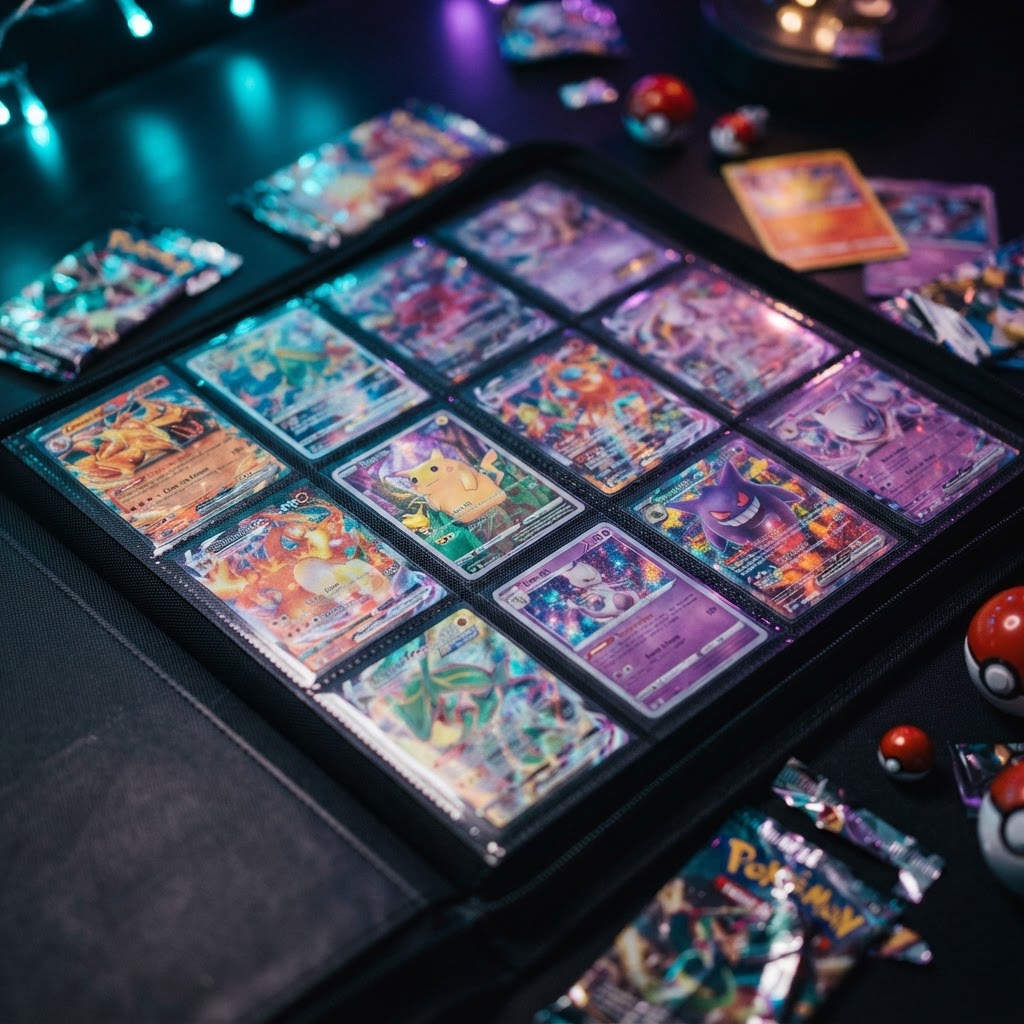
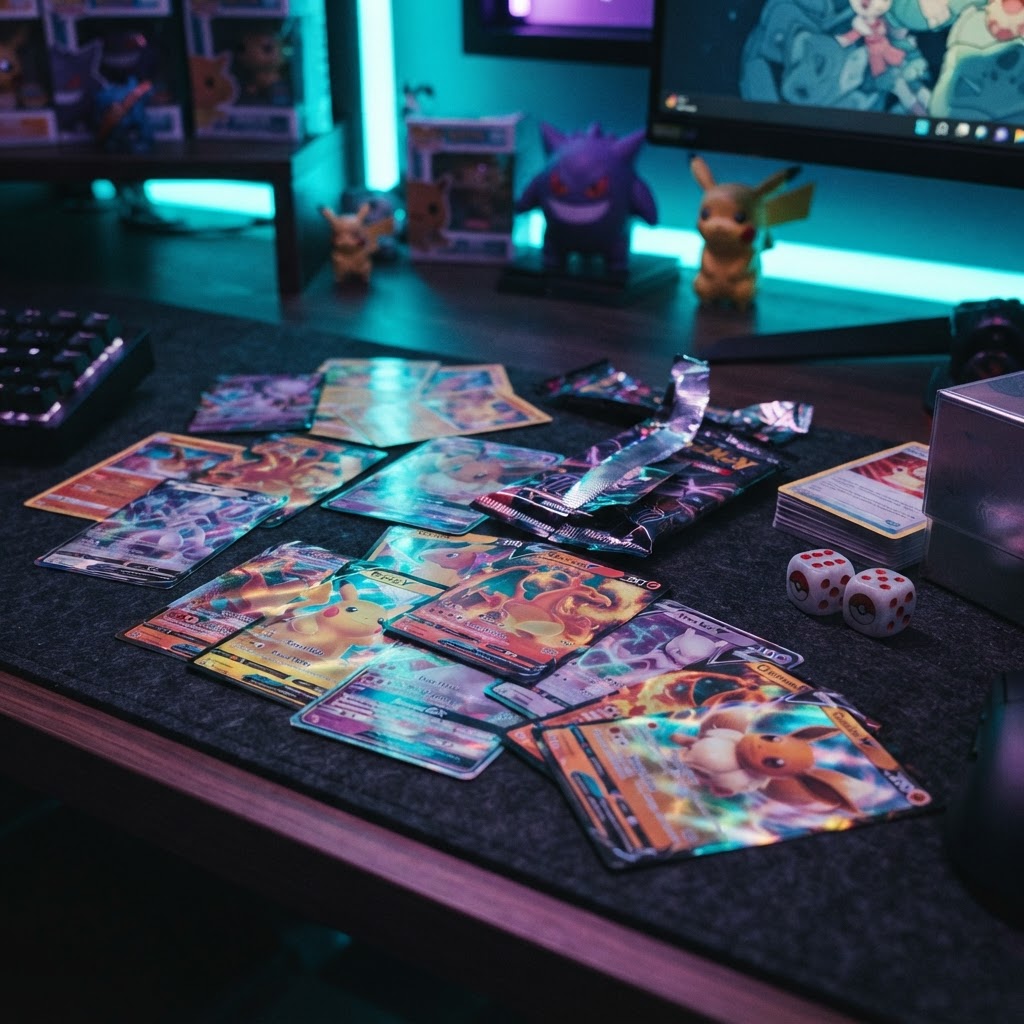
Navigating the modern Pokemon Trading Card Game landscape requires more than just knowing how to play the game. Collectors today face a dizzying array of card finishes, art styles, and rarity tiers that define a card's collectability and market value.
The Evolution of Card Rarity Tiers
Understanding Modern Rarity Symbols
In the current era of the TCG, rarity is often indicated by symbols at the bottom corner of the card. These symbols have evolved from simple shapes to complex foil patterns that distinguish standard cards from chase variants. Understanding these markers is the first step in auditing your binder for hidden gems.
Full Art vs. Alternative Art
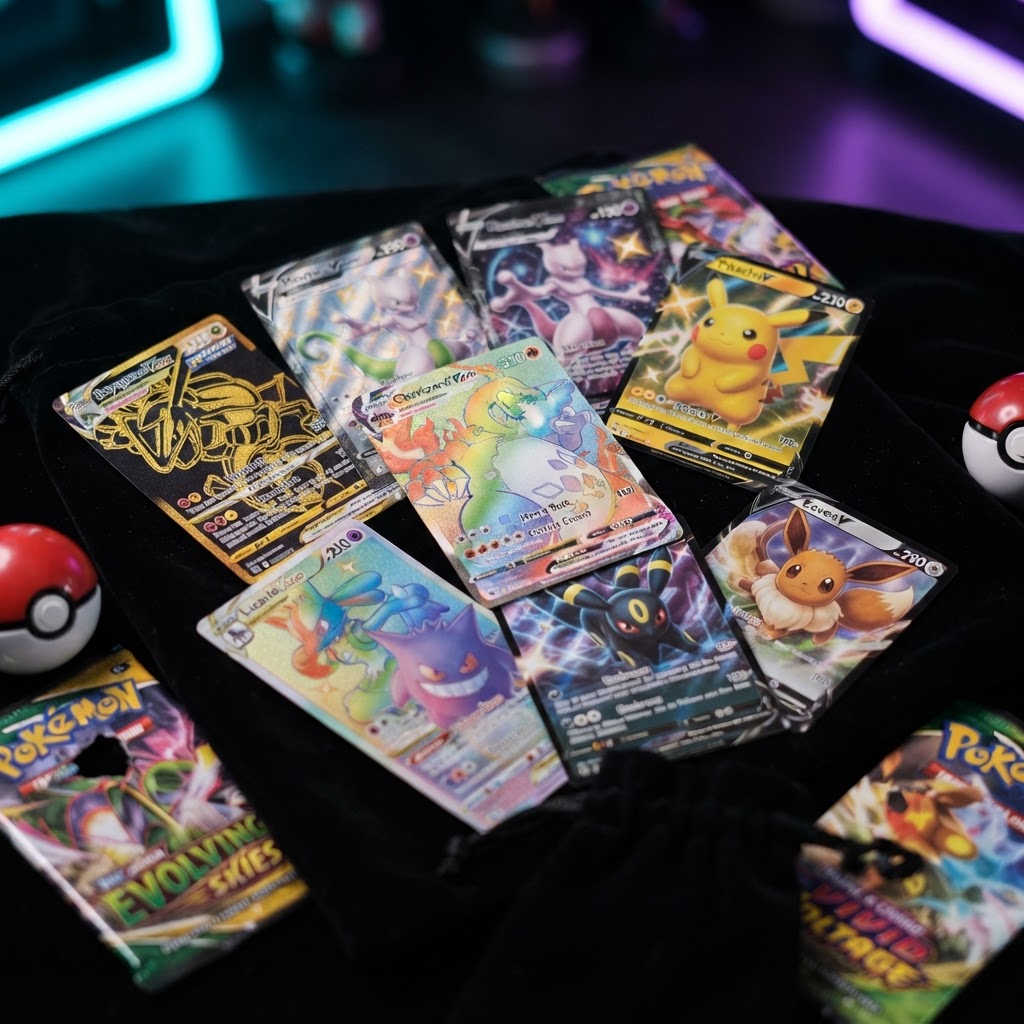
Full Art cards feature artwork that extends across the entire surface of the card, often showcasing a textured foil finish. Alternative Arts take this a step further by featuring unique, narrative-driven illustrations that differ from the standard version of the same Pokemon. Distinguishing between these styles is essential for identifying potential investment pieces.
Rarity Comparison Matrix
| Rarity Type | Art Style | Texture | Market Impact | | :--- | :--- | :--- | :--- | | Full Art | Borderless | Yes | Moderate | | Alt Art | Unique Scene | Yes | High | | Illustration Rare | Painterly | No | Variable | | Secret Rare | Gold/Rainbow | Yes | High |
Deep Dive into Special Finishes
Illustration Rares and Their Appeal
Introduced in the Scarlet & Violet era, Illustration Rares have become a fan-favorite for their artistic depth. These cards prioritize a story-like quality, often placing the Pokemon in a natural habitat or an interactive scene. Because they celebrate the artist's unique style, they occupy a special place in collectors' hearts.
The Mystery of Secret Rares
Secret Rares are defined by having a collection number higher than the set total, such as 205/198. These cards often feature gold, rainbow, or hyper-rare aesthetic treatments. They are inherently harder to pull from packs, making them the primary targets for those looking to maximize their collection value.
Collecting Strategy and Market Trends
Balancing Raw and Graded Cards
Deciding whether to keep your pulls raw or send them for professional grading is a common dilemma. You should read our guide on /blog/grading-vs-raw-pokemon-card-investment-liquidity to make informed choices. Raw cards are perfect for binders, while graded cards offer long-term asset security.
Leveraging Online Platforms for Chase Cards
If you are searching for elusive secret rares without the cost of a full booster box, Dopa! offers a modern solution. Online pack opening platforms allow you to experience the thrill of the pull from your browser. Using referral code PUAXOL can provide you with a credit to start your journey into modern card collecting.
The value of a modern Pokemon card is increasingly dictated by its artistic narrative and rarity tier rather than just its power in competitive play.
Identifying Genuine Rarities
Avoiding Common Pitfalls
New collectors often mistake common holographic cards for rare variants. Always check the numbering on the bottom corner to confirm if a card is truly a secret rare or part of the standard set. Verifying these details prevents overpaying for cards that appear flashy but are relatively common.
Essential Verification Checklist
- Check the set collection number at the bottom.
- Look for the presence of surface texture.
- Compare holographic patterns to official databases.
- Verify the card's edition and release set.
The Importance of Set Knowledge
Collectors should focus on understanding the specific set identity to track pull rates accurately. As discussed in our previous coverage of /blog/paldea-evolved-set-spotlight-chase-cards-pull-rates-strategy, knowing which set a card originates from is vital for evaluating its rarity. Mastering these details helps you build a collection that stands the test of time.
Best Practices for Growth
Strategic Acquisition Tips
- Focus on sets with iconic Pokemon designs.
- Prioritize cards with unique artistic narratives.
- Diversify your portfolio across different rarities.
- Stay updated on current market trends.
Frequently Asked Questions
Are all Full Art cards considered rare?
No, Full Art cards vary in rarity depending on their specific set, though they are generally harder to pull than standard cards. Their value often fluctuates based on the popularity of the featured Pokemon.
What is the difference between a Gold card and a Rainbow card?
Gold cards are typically secret rares with a metallic foil finish, while Rainbow cards utilize a spectrum-colored textured foil. Both are considered high-tier chase cards for serious collectors.
Do Illustration Rares have texture?
Standard Illustration Rares typically do not have texture, whereas Special Illustration Rares are designed with detailed textured foil. You can feel the difference by gently running a finger over the card surface.
Start Your Collection Journey
If you are ready to test your luck and potentially pull your next rare chase card, head over to Dopa! today. Don't forget to use code PUAXOL to receive your credit after your first purchase and start ripping packs with the community.
Grab This Deal

$10 Credit after your first purchase!
Enter this code at signup — the bonus won't apply without it.