Grading vs. Raw: A Strategic Guide to Pokemon Card Investment Liquidity
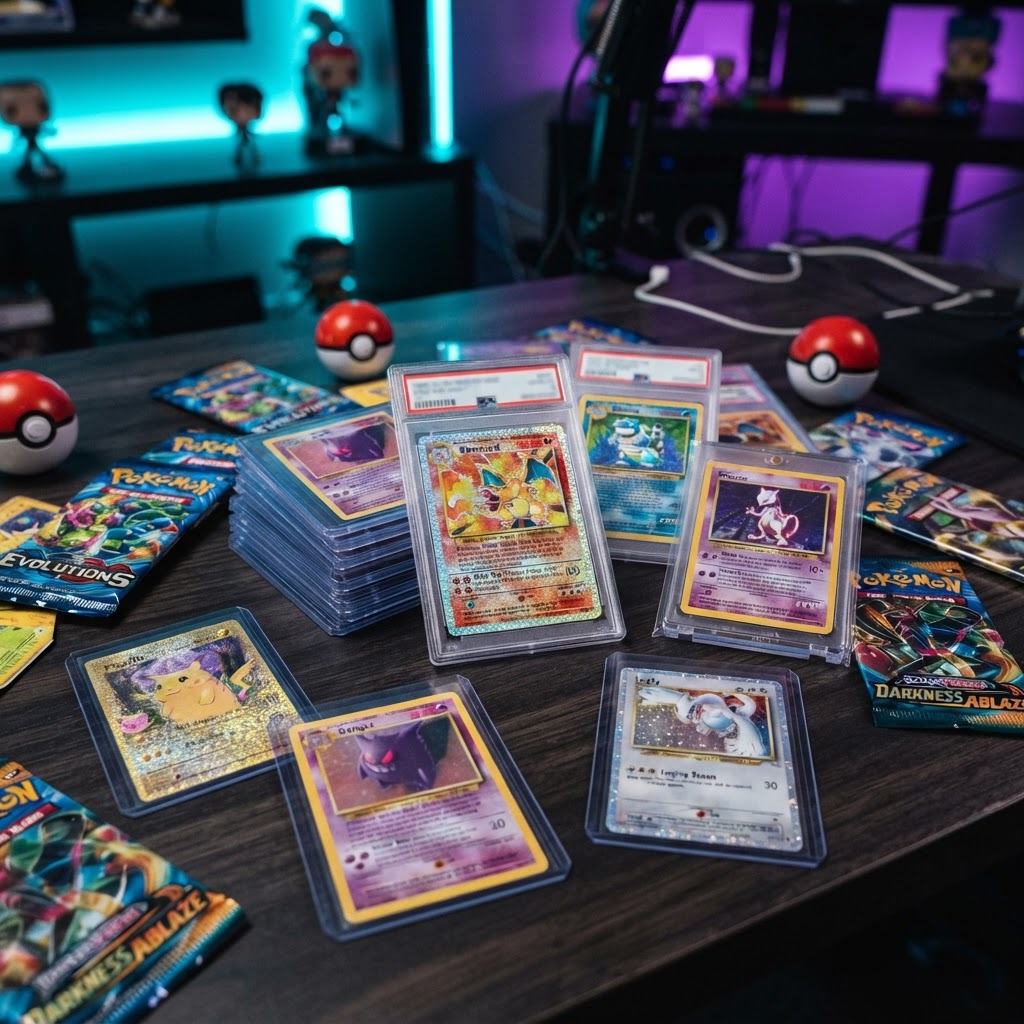
Navigating the secondary market requires a clear understanding of whether to hold cards in their raw state or invest in professional authentication. Knowing when to grade is the difference between a stagnant collection and a high-liquidity asset portfolio. Balancing the cost of fees with the potential upside of a high grade is essential for every serious collector.
The Financial Implications of Grading
Understanding the Cost-Benefit Analysis
Grading is not always the best move for every high-value card in your possession. You must subtract the cost of submission, insurance, and return shipping from the potential market premium. If the cost of grading approaches a significant percentage of the card's raw value, the risk often outweighs the reward.
Determining Asset Liquidity
Graded cards generally move faster on platforms and marketplaces than raw cards. Buyers often prefer the security of a third-party opinion, reducing the friction in high-end transactions. Liquidity is the lifeblood of the market, and slabs provide the standardized data points collectors crave.
The Hierarchy of Grading Services
Industry Standards and Market Reputation
Not all grading companies carry the same weight in the eyes of long-term investors. Professionals typically categorize them based on their impact on resale value and market trust. Knowing which companies hold the most prestige helps you make an informed decision for your assets.
| Grading Company | Primary Market Strength | Collector Sentiment | | :--- | :--- | :--- | | PSA | High Liquidity | Industry Benchmark | | BGS | Subgrade Precision | Premium Demand | | CGC | Fast Turnaround | Growing Recognition |
Assessing Card Condition
Before you submit any card, you must perform an objective assessment of the edges, centering, and surface. If you see visible defects, it is often safer to keep the card raw or choose a lower-cost service. Proper storage is crucial for maintaining your cards, as discussed in Maximizing Your Collection: How to Choose the Best Pokemon Card Products.
Market Trends in Raw vs. Graded Cards
The Rise of High-Grade Modern Assets
Modern chase cards are printed with higher consistency, making pristine tens more common than in the vintage era. This has shifted the market focus toward the pop report of modern cards. Investors now look for low-population high-grade copies to ensure their investment remains rare.
The Appeal of Raw Aesthetics
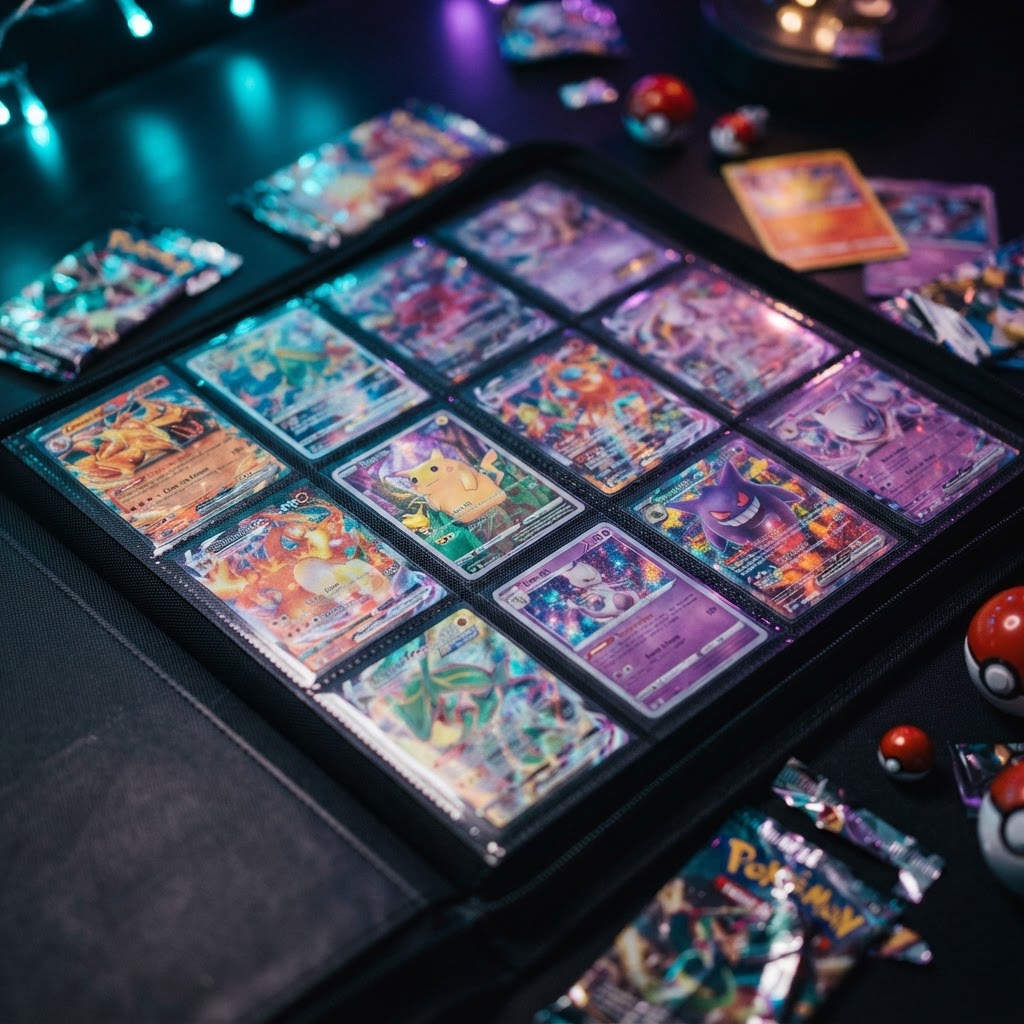
Many collectors still prefer to keep their cards raw in custom binders for a more personal experience. This approach allows you to appreciate the artwork fully without the restrictions of a plastic slab. If you are interested in expanding your collection, you can Earn a Free Pack Today! by joining the community on Tilt Rips using referral code U7S8AJ3V.
Factors Influencing Card Value
Rarity and Print History
Value is driven by a combination of original scarcity and current demand from the player base. Collectors often look for specific indicators of long-term growth potential in their portfolios:
- Historical performance of the specific card artwork.
- Presence of unique textures or holographic patterns.
- Impact of the card in competitive TCG play.
- Total population count in grading registries.
The Influence of Community Hype
Market trends are often dictated by community interest and social media influence. When a specific card gains popularity, the price for both raw and graded copies usually spikes simultaneously. Learn more about how these trends evolve in Demystifying Pokemon Card Market Trends: Why Illustration Rares and Secret Rares Are Driving Value.
The most successful investors focus on buying the best condition they can afford, whether that leads them to a pristine raw copy or a professionally graded masterpiece.
Strategic Portfolio Diversification
Balancing Slabs and Binders
Diversification protects your collection against market fluctuations in specific segments. Mixing high-end graded chase cards with raw, aesthetically pleasing sets provides a balanced approach. This variety ensures that your collection remains enjoyable while maintaining a strong financial foundation.
Long-Term Asset Preservation
Proper handling is the single most important factor in keeping your investments profitable. Always use high-quality sleeves and top-loaders if you choose not to grade your cards immediately. Protecting your assets now will lead to higher returns when you eventually decide to sell.
Frequently Asked Questions
Is it worth grading low-value cards?
It is rarely profitable to grade low-value cards because the grading fees will likely exceed the market premium of the slab. Stick to grading only high-value or sentimentally significant cards to ensure cost efficiency.
How does a grade 9 compare to a grade 10?
In the current market, a grade 10 often commands a significant price premium over a grade 9, especially for modern cards. The gap between a 9 and a 10 can be exponential, making the hunt for perfect copies extremely competitive.
Can raw cards still be high-value investments?
Yes, raw cards that are in near-mint condition are still highly desirable to collectors who prefer the raw aesthetic. Authenticity is key, so always buy from reputable sources or use verification tools to ensure you are dealing with genuine products.
Start Your Collection Journey Today
Whether you are looking to pull the next big chase card or simply want to experience the thrill of the rip, our community is ready for you. Visit Tilt Rips using referral code U7S8AJ3V to start your collection and earn a free pack today.
Grab This Deal
Earn a Free Pack Today!
Enter this code at signup — the bonus won't apply without it.