How to Identify Fake Pokemon Cards: The Ultimate Authentication Checklist for Collectors
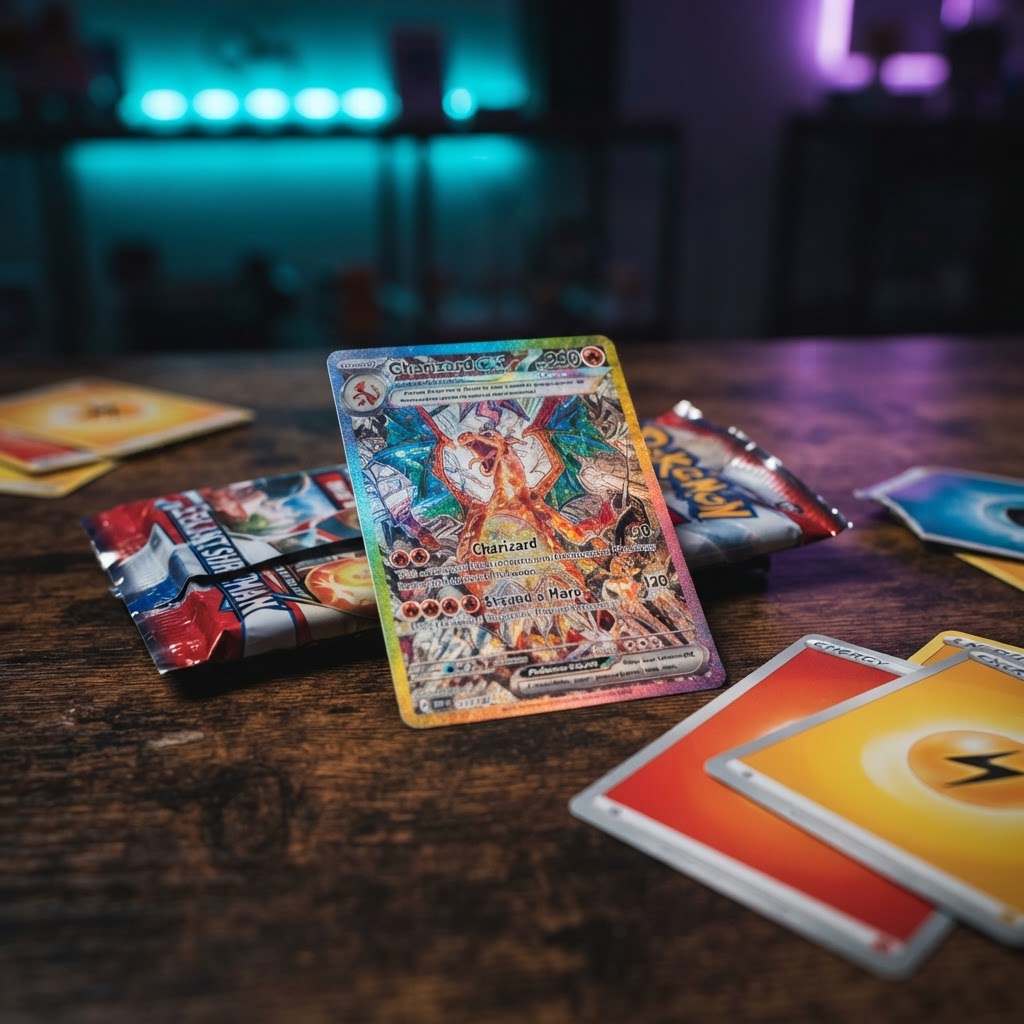
Navigating the secondary market for Pokemon cards can be exhilarating, but the prevalence of high-quality counterfeits makes caution essential. Whether you are a seasoned collector or a newcomer, understanding the fundamental differences between authentic cards and reproductions is the best way to safeguard your investment.
Understanding the Basics of Card Construction
The Anatomy of Authentic Card Layers
Real Pokemon cards consist of a specific multi-layered cardstock that includes a opaque layer to prevent light from passing through. Counterfeiters often use standard paper or inferior cardstock that feels waxy or significantly thinner than official products. Always compare the weight and physical rigidity of your cards against a known authentic specimen from a trusted source.
The Light Test Explained
One quick, non-destructive way to verify authenticity is the light test. By holding a card up to a bright flashlight, you can often see the inner core of the card. A genuine card will block almost all light, whereas many counterfeits will allow significant light to pass through due to their thinner, cheaper material composition.
Visual Tells and Printing Discrepancies
Identifying Pixelation and Print Quality
Official Pokemon cards utilize professional high-resolution printing processes that produce crisp text and smooth color gradients. If you notice blurry text, hazy images, or visible dot patterns under a magnifying glass, you are likely looking at a low-quality scan or a mass-produced fake. The sharpness of the font is frequently a dead giveaway for modern counterfeits.
Common Printing Issues Found on Fakes
- Inconsistent or missing holographic patterns on rare cards
- Misaligned borders that vary in thickness on different sides
- Blurry or low-resolution artwork compared to official cards
- Spelling errors in attack names or Pokemon descriptions
Texture and Finish Analysis
The Role of Card Texturing
Modern high-rarity cards, such as Full Arts or Illustration Rares, feature sophisticated micro-textures etched into the surface. Authentic cards show deliberate, consistent, and intricate patterns that catch the light at specific angles. Many fakes are completely flat or feature cheap, uniform patterns that do not match the specific design of the card.
Comparison of Surface Features
| Feature | Authentic Card | Counterfeit Card | | :--- | :--- | :--- | | Surface Texture | Intricate, etched design | Smooth or uniform pattern | | Card Back | Deep blue with color depth | Faded, purple, or light blue | | Font Style | Sharp and standardized | Often bolded or inconsistent | | Card Edges | Cleanly cut, smooth | Rough or frayed edges |
The Back of the Card Matters
Analyzing the Reverse Side
Collectors often overlook the back of the card, focusing entirely on the artwork on the front. However, the back is one of the hardest parts of a card for counterfeiters to replicate perfectly. Genuine cards feature a complex swirl design with deep shades of blue and purple, whereas fakes often appear washed out or blurry.
Always verify the back of a card in high-quality lighting, as the intricate swirl patterns and depth of color are extremely difficult to replicate accurately.
Beyond the Binder: Digital Authentication
Why Online Ripping Is A Safer Alternative
When you engage with reputable platforms, you remove the risk of receiving a counterfeit card through the mail. While physical collecting is rewarding, online pack openings provide guaranteed authenticity for every pull. If you want to experience the thrill of the hunt without the worry, check out the Tilt Rips platform to open packs digitally.
Benefits of Verified Digital Assets
- Guaranteed authentic cards from official booster sets
- No risk of damaged or counterfeit cards during shipping
- Instant digital cataloging of your entire collection
- Secure storage managed by industry-leading professionals
Frequently Asked Questions
What do I do if I suspect a card I bought is fake?
If you have proof the card is a counterfeit, contact the seller immediately to request a refund. If the purchase was made on a marketplace, open a dispute through the platform's buyer protection program.
Are all fakes easy to spot?
Unfortunately, modern counterfeits are getting much better at mimicking the appearance of real cards. While common traits like spelling errors persist, some high-end fakes require advanced inspection techniques to identify correctly.
Does the smell of the card matter?
Some collectors suggest that fake cards have a distinct chemical or metallic odor caused by cheap printing inks. While not a definitive test, it can be a secondary indicator if the card feels strange or waxy to the touch.
Start Your Collection Safely Today
Experience the excitement of pulling a chase card without the uncertainty of the secondary market by using Tilt Rips. Use referral code U7S8AJ3V to earn a free pack today and start your journey with 100 percent authentic, high-quality pulls.
Grab This Deal
Earn a Free Pack Today!
Enter this code at signup — the bonus won't apply without it.