Mastering Your Collection: Advanced Storage and Display Tips for Pokemon Collectors
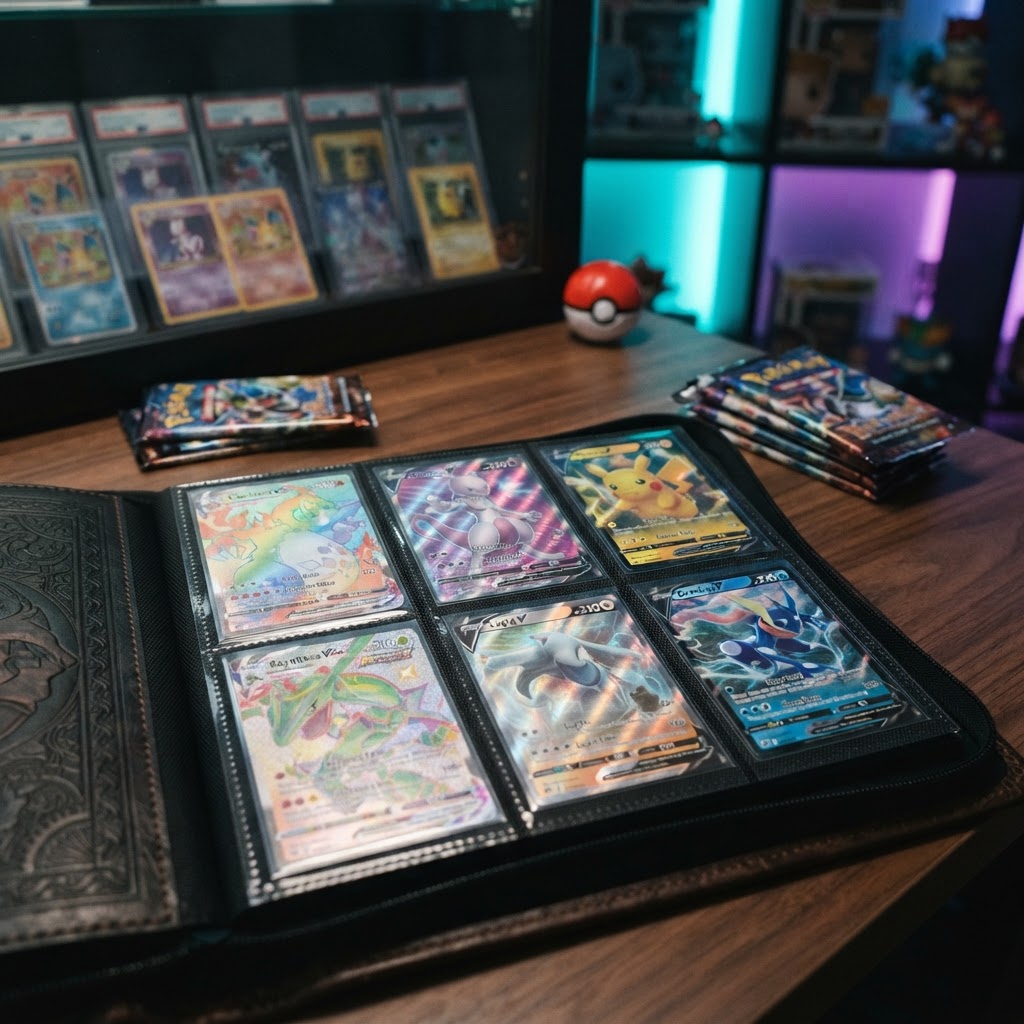
Building a high-quality Pokemon card collection requires more than just luck during a pack opening. Proper care ensures that your cards maintain their condition and visual appeal for years to come. Whether you are a casual hobbyist or a serious investor, organization is the foundation of a successful collection.
The Anatomy of Card Protection
The Hierarchy of Sleeving
Proper preservation begins with the standard penny sleeve. Always choose acid-free, archival-safe sleeves to prevent chemical degradation over time. Using a double-sleeving technique with a perfect fit sleeve inside a standard one provides an extra barrier against dust and moisture.
Hard Cases vs Soft Sleeves
For your most valuable assets, hard plastic top-loaders or semi-rigid holders are essential. These offer structural support that soft sleeves cannot provide on their own. Never store a high-value card raw in a binder without first placing it inside a protective sleeve.
Strategic Organization Methods
Categorizing Your Binders
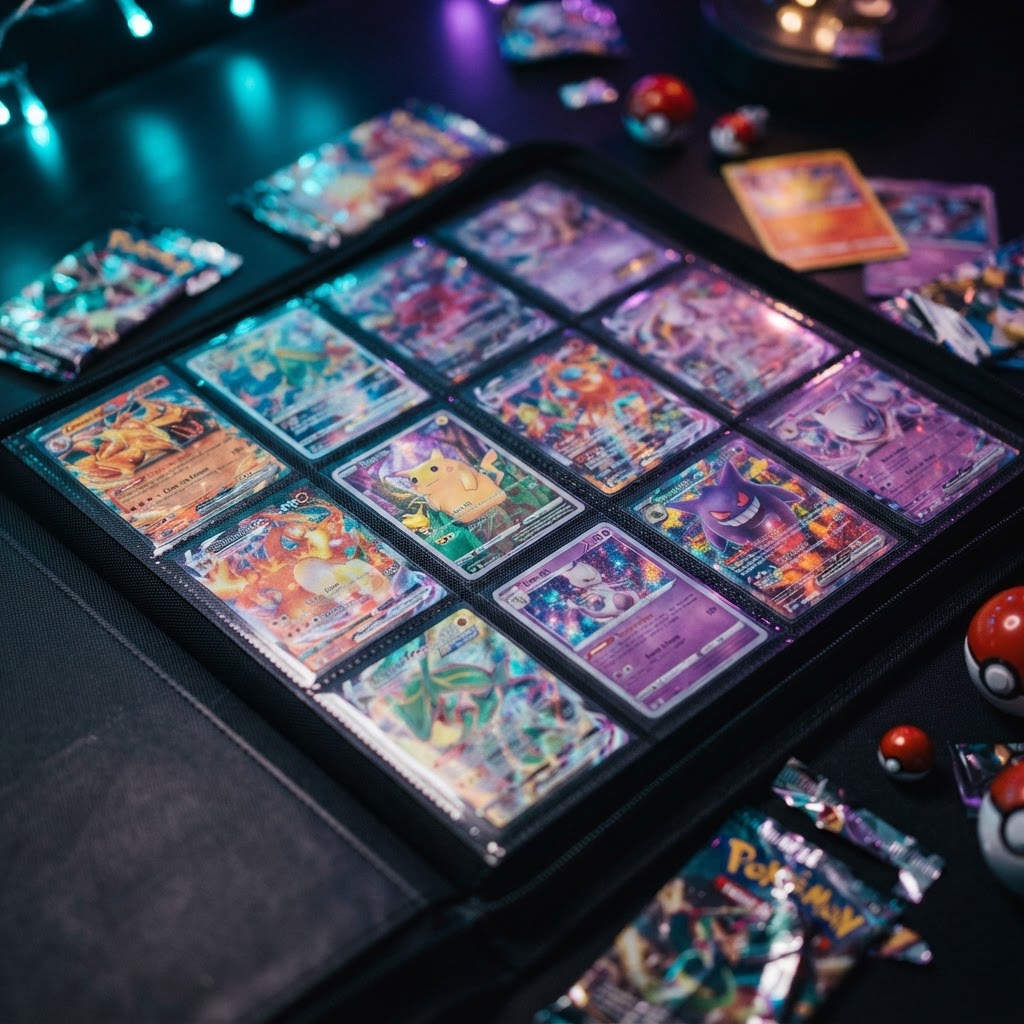
Organizing your collection by set or by specific Pokemon evolution lines is a popular choice. Many collectors prefer to leave empty slots in their binders to accommodate future additions or cards they are actively hunting. If you need help managing your current inventory, check out our guide on Protecting Your Assets: A Complete Guide to Pokemon Card Cataloging and Inventory Management.
Tracking Your Progress
Digital spreadsheets or apps can help you maintain a visual record of what you own. This is particularly useful when you decide to try The Digital Rip Revolution: Why Online Pack Opening Is Reshaping Pokemon Collecting to fill those missing spots in your sets. Consistent updates prevent accidental duplicate purchases and help you track market trends.
Displaying Your Collection Safely
UV Protection and Lighting
Direct sunlight is the natural enemy of your cardboard treasures. If you choose to display cards on a wall or shelf, ensure they are kept in UV-resistant cases. LED lighting is far superior to incandescent bulbs for display cases as it produces significantly less heat.
Creating a Professional Aesthetic
Group your cards in frames or on display stands that highlight their unique artwork. Many collectors enjoy thematic arrangements, such as displaying the full line of an iconic artist. For more inspiration on artistic appreciation, read The Art of Mitsuhiro Arita: Uncovering the History Behind Iconic Pokemon Card Illustrations.
| Storage Method | Best For | Protective Level | | :--- | :--- | :--- | | Penny Sleeve | Bulk Cards | Low | | Top-Loader | High-Value Singles | High | | Professional Graded Slab | Investment Pieces | Maximum | | Binder Page | Collection Sets | Medium |
Essential Storage Supplies Checklist
- Archival-safe penny sleeves
- Acid-free side-loading binders
- Rigid plastic top-loaders
- UV-resistant display frames
- Microfiber cloths for dusting
Best Practices for Long-Term Maintenance
Humidity Control
Pokemon cards are made of paper and are susceptible to warping in humid environments. Maintain a consistent room temperature and use silica gel packets in your storage bins. This small step prevents the dreaded "curl" that often ruins the appearance of foil cards.
Handling and Rotation
Always handle your cards by the edges to prevent skin oils from reaching the surface. If you have a large collection, rotate which cards are on display periodically to prevent light exposure wear.
The most effective way to protect your collection is to minimize direct physical contact while ensuring every card is stored in an acid-free environment.
Frequently Asked Questions
Should I store my cards in a binder or a box?
Binders are perfect for viewing your collection regularly, while boxes are better for long-term storage of bulk. Use a high-quality, side-loading binder to prevent cards from falling out.
How often should I check my cards for damage?
Performing a visual inspection once every few months is sufficient. Focus on checking for signs of edge whitening or moisture-induced curling.
Is it worth double-sleeving every card?
It is usually overkill for common cards but essential for high-value or rare cards. Focus your resources on your most prized possessions to keep them in pristine condition.
Start Your Collection Today
If you are looking for new cards to organize and display, head over to https://tiltrips.com/r/U7S8AJ3V/ to experience the thrill of the pull. Use referral code U7S8AJ3V to earn a free pack and start building your collection on Tilt Rips today.
Grab This Deal
Earn a Free Pack Today!
Enter this code at signup — the bonus won't apply without it.