Raw vs Graded Pokemon Cards: A Collector's Guide to Maximizing Value and Condition
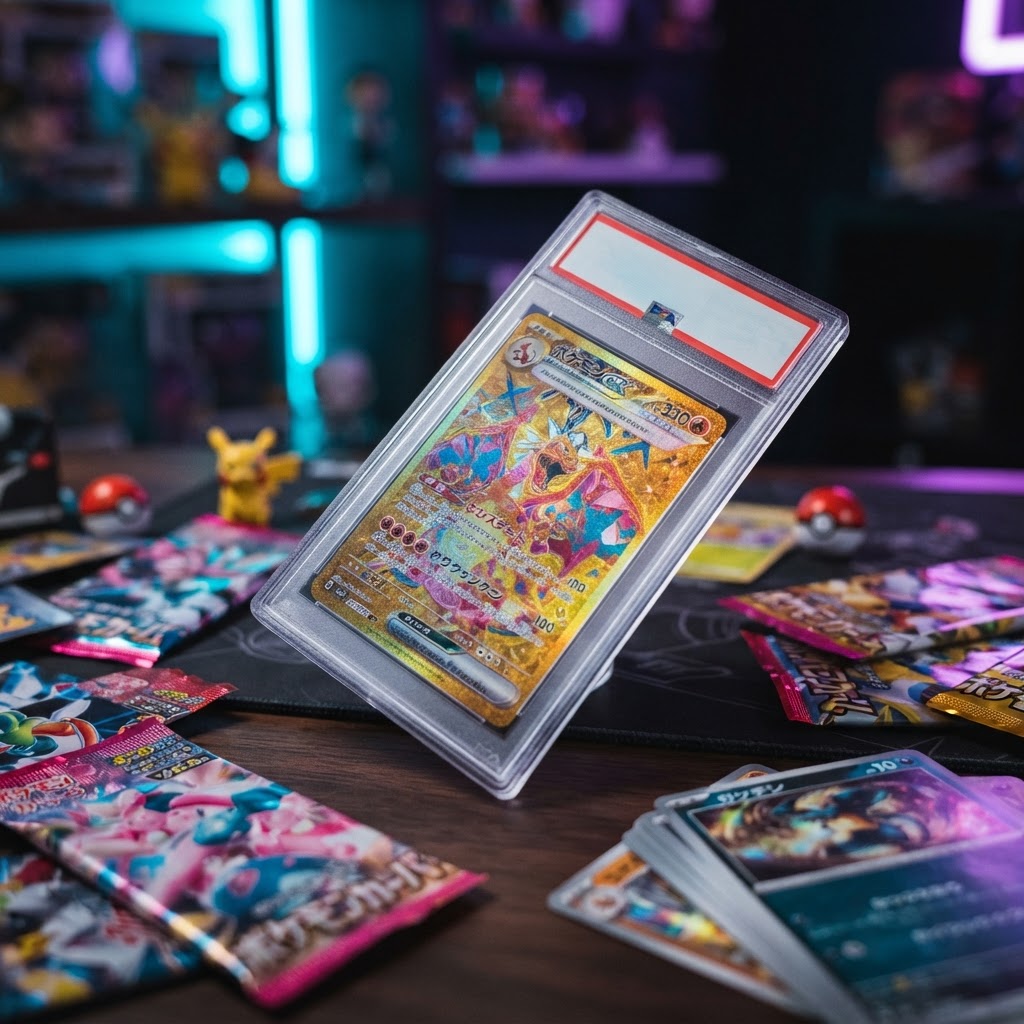
Deciding whether to keep your Pokemon cards raw or send them for professional grading is a pivotal moment for every collector. This choice often dictates the long-term investment potential and physical preservation of your most prized possessions. Understanding the nuance of card condition is the first step toward building a high-value portfolio.
The Fundamentals of Raw Pokemon Cards
Defining Raw Condition
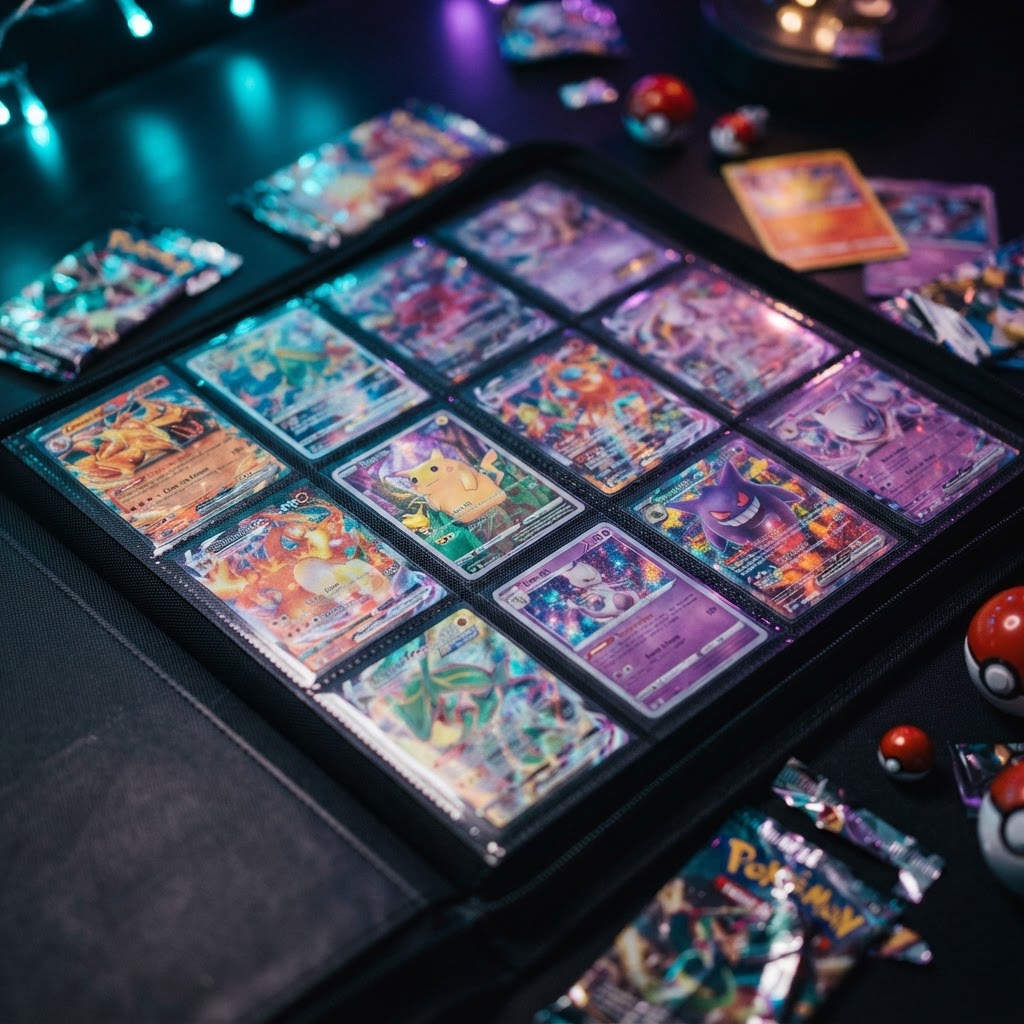
A raw card is any card that has not been encapsulated or assigned a numerical grade by a professional grading company. These cards are usually stored in binders, sleeves, or top loaders by the owner. While raw cards lack the third-party verification of a slab, they offer a tactile experience that many enthusiasts prefer.
Risks of Keeping Cards Raw
Raw cards are highly susceptible to environmental damage, including humidity, dust, and improper handling. Without the rigid protection of a plastic slab, edges can easily develop whitening, and surfaces may accumulate micro-scratches. Proper storage is essential to prevent these issues from tanking the potential grade of your cards later.
The Grading Process Explained
Understanding Professional Standards
Grading companies evaluate cards based on four strict pillars: centering, surface, edges, and corners. Even a small imperfection in any of these areas will significantly lower the final numerical score. Achieving a gem mint grade requires absolute perfection under high-powered magnification.
Why Grading Increases Value
Grading provides market liquidity and authenticated proof of a card's state, which is vital for high-end sales. A graded slab protects the card indefinitely, effectively freezing it in its current condition. This assurance allows buyers to pay a premium without fear of hidden damage.
When Is Grading Actually Worth It?
Assessing Potential Gains
Not every card justifies the cost and effort of the grading process. You should generally only consider grading cards with high market demand or significant rarity. Use this comparison table to determine if your card is a candidate for submission:
| Feature | Raw Card | Graded Card | | :--- | :--- | :--- | | Protection | Moderate | Superior | | Market Appeal | High for players | Essential for investors | | Authenticity | Subjective | Guaranteed | | Cost to Maintain | Minimal | Higher upfront costs |
The Importance of Centering
Centering is one of the most visible indicators of a card's quality before you even send it out. If a card is misaligned, it will never reach the highest grade, regardless of how pristine the edges are. Use these quick tips to evaluate your own collection:
- Check for equal borders on all sides.
- Use a ruler to measure alignment.
- Look for consistent spacing.
- Inspect the back centering as well.
Protecting Your Assets
Storage Best Practices
Before you decide to grade, ensure your collection is housed correctly to prevent further wear. Whether you are dealing with vintage WOTC era finds or modern pulls, organization is key. For more tips on maintaining your collection, check out the guide on /blog/pokemon-card-collecting-tips-organizing-sleeving-storing-displaying.
The Role of Online Ripping
Many collectors find that online platforms are a great way to acquire high-quality cards that might be suitable for future grading. If you are looking to pull fresh, pack-fresh cards to bolster your collection, visit Tilt Rips to get started. Don't forget to use code U7S8AJ3V for a free pack today.
Taking the time to inspect your cards for surface scratches and edge fraying before shipping them to a grading company can save you significant money in wasted fees.
Frequently Asked Questions
Is it better to grade vintage or modern cards?
Both categories can be valuable, but vintage cards often see a higher price jump when graded in high conditions. Modern cards are easier to find in gem mint states, meaning only the most perfect copies justify the cost of professional grading.
Can I regrade a card if I disagree with the score?
Yes, you can crack the slab and resubmit the card to the same or a different company for a review. Be aware that this is risky, as the card could receive a lower score or sustain damage during the cracking process.
Does a signature affect the card grade?
Most grading companies treat hand-signed cards as altered and will offer a specific grade for the autograph itself. This typically separates the card from its standard market value, creating a unique item for specialized collectors.
Start Your Collection Journey
If you are ready to expand your collection with new pulls, head over to Tilt Rips today to experience the future of card openings. Use the referral code U7S8AJ3V to claim your free pack and start hunting for your next potential gem.
Grab This Deal
Earn a Free Pack Today!
Enter this code at signup — the bonus won't apply without it.